
reiki healing method is an holistic approach that aims to harmonize the body, mind and soul, in order to bring well-being, energy and balance.
The 5 principles of Reiki healing method
- Just for today…
- I dwell in the Here and Now.
- Everything is timely orchestrated.
- I honor all living beings.
- I live life honestly.
- I show gratitude to all things.
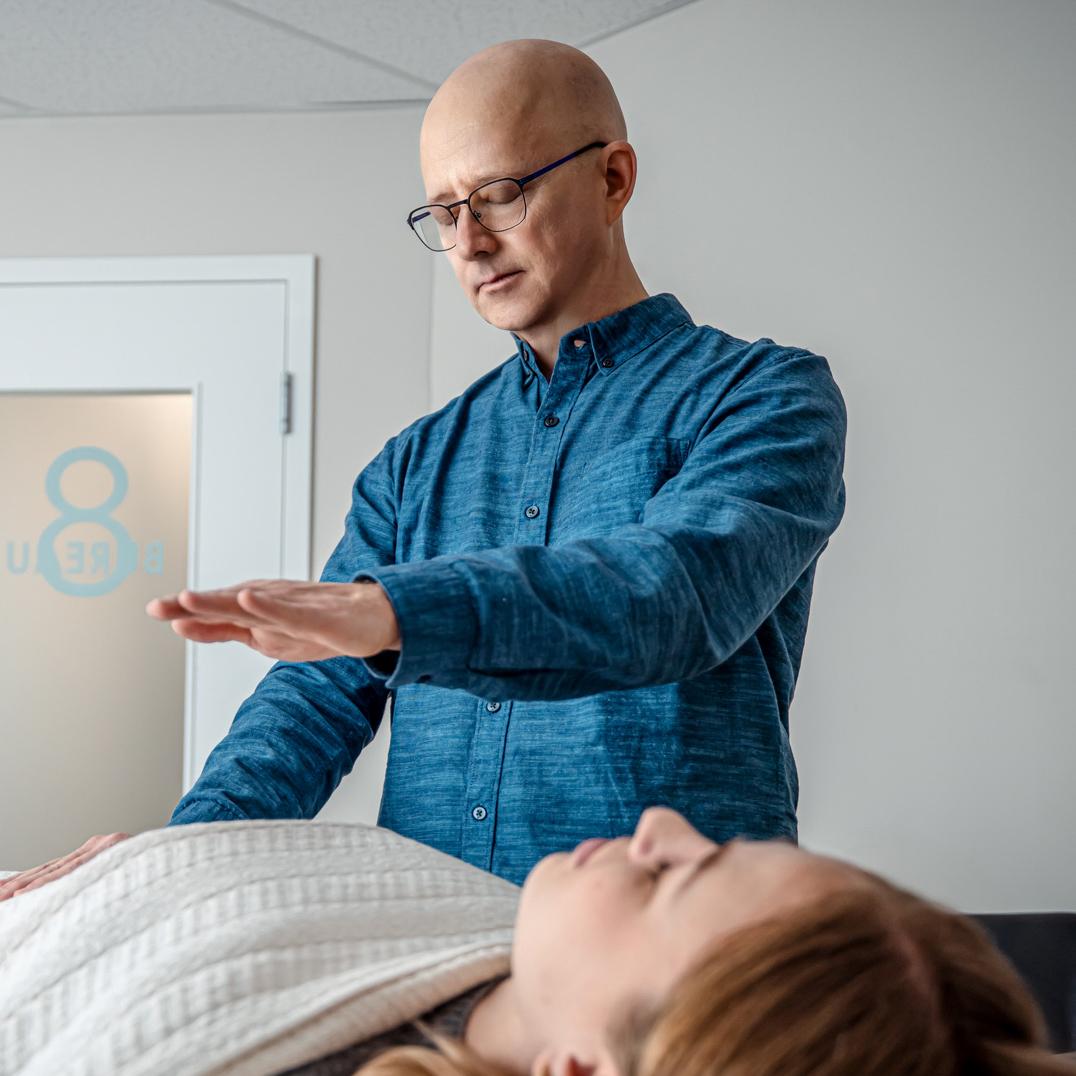
Supporting Overall Balance with Reiki healing method
Reiki is an energy-based approach that promotes relaxation, well-being, and centering. This practice aims to support the overall balance of the individual on physical, emotional, mental, and spiritual levels.
Reiki is traditionally transmitted through the laying on of hands, but also remotely, in an approach that respects the individual’s pace and needs.
Peace, Comfort, and Reconnection
These are, for me, the main areas of action of this energy of unconditional love and compassion. It can soothe the body and mind, comfort the heart, and bring well-being and tranquility, potentially providing a heightened sense of calm, presence and self-awarness.
A Way of Life
For practitionners and masters, Reiki can become a formidable wellness companion as well as a way of life. Through consistant practice, we get to infuse our life with sacredness. Broadcasting more love, kindness, understanding, patience, wisdom, and joy… and moving through lessons and challenges with greater ease and grace.
History of the Usui Shiki Ryoho Reikiabout Reiki healing method
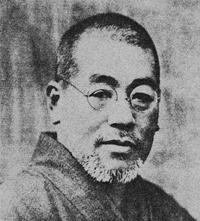
Reiki was rediscovered around 1890 by Mikao Usui in Japan, after years of spiritual research. Despite all the knowledge he had acquired, he still couldn’t heal with his hands. He then went to meditate for 21 days on Mount Kurama. On his last day, he was divinely connected to this sacred energy. He subsequently offered his healing talents to the poorest, then went on from village to village to pass down his knowledge.
Master Hayashi
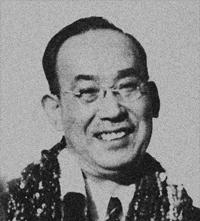
Among Usui’s students, Chujiro Hayashi, a former naval medical officer, became his successor in 1923. Rigorous in his approach, he opened a clinic-school in Kyoto and structured Reiki teaching into three levels based on the varying levels of commitment of his students. He trained countless students until 1939, when he appointed his successor just before his death.
Master Takata
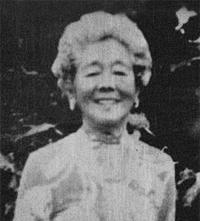
Born in Japan but living in Hawaii, Hawayo Takata went to Japan for an operation. However, an inner calling led her instead to Hayashi’s clinic. Fascinated by this healing energy, she sought to be initiate. Initially refused, she persevered and became the first woman admitted, and was named successor in 1939. Established outside of Japan, she helped Reiki gain wider attention and trained many people from all over the world.
Master Furomoto reiki healing method
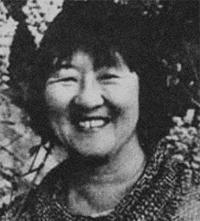
Takata’s granddaughter, Phyllis Lei Furumoto, was initiated at an early age but completed her training with her grandmother in her 30’s. Upon Master Takata’s death in 1980, she became her successor. In 1982, faced with a large number of worldwide practitioners and a heavy task, she co-founded the Reiki Alliance, an international community aiming to preserve the teachings and traditions or Reiki. She passed away in 2019.
Master Reindl
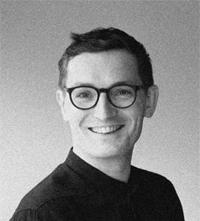
The current Grand Master and bearer of the lineage since 2021 is Johannes Reindl, an Austrian student of Furumoto’s.